
Competition is constantly increasing in the online education (EdTech) sector, and today, simply offering a high-quality course is not enough. It is crucial to be able to attract new students, retain current ones, and build trust-based relationships with them. Email marketing is a time-tested tool for achieving these goals.
In this article, we will examine effective approaches, techniques, and best practices for email marketing in the EdTech space.
Why Email Marketing?
Email marketing is about communication and building relationships with your target audience through regular and well-planned electronic messages. Despite the rise of messengers and social media, email remains one of the most stable and reliable communication channels.

Here are a few facts in favor of email marketing:
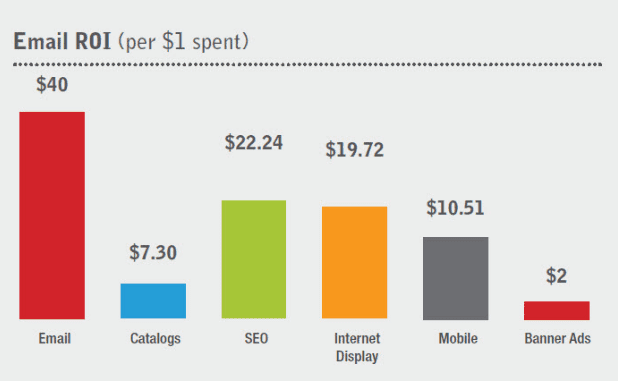
- High ROI (Return on Investment): According to DMA research, email marketing returns about $40 for every dollar invested.
- Personalization and Segmentation: It provides the opportunity to send messages that consider customer interests and their stage in the sales funnel, significantly boosting marketing effectiveness.
- Automation and Clear Analytics: It allows you to save resources and quickly see results in the form of clear metrics for opens, clicks, conversions, and sales.
Step 1. Contact List Building: Creating a Valuable Lead Magnet
A lead magnet is a free, useful product for the customer (a guide, checklist, or webinar) that a user receives in exchange for their email address. A lead magnet must offer real value, be relevant to the course topic, and generate interest among potential students.
Examples of lead magnets for online schools:
- PDF Guide (“10 Useful Techniques for Effective Learning”)
- Free Mini-Course (“3-Day Free Online Course by [Author’s Name]”)
- 5–7 Day Online Marathon/Challenge
- Checklists and Templates


Step 2. Database Segmentation: Why It’s Important to Know Your Students
Database segmentation allows you to send relevant messages that address user interests, help build trust faster, and lead to higher conversions.
Possible segmentation categories:
- New subscribers who have not yet purchased any course.
- Participants of free content who showed interest but did not pay for a course.
- Student segments by course level (Beginners, Advanced).
- Long-term subscribers who haven’t shown recent engagement.
- Current students and loyal customers.


Step 3. Email Sequences and Automation
Email automation helps maintain consistent contact with students without requiring extensive time investment.
Typical automated sequences for online schools:
- Welcome Sequence: Helps subscribers get acquainted with you and your product, sharing the company’s story and testimonials.
- Sales/Promotional Sequence: Used during a course launch to gradually lead the student toward making a purchase.
- Educational/Engagement Sequence (Nurture Sequence): Regular, useful content that helps maintain loyalty and interest.
- Re-engagement Sequence (Win-back Campaign): Helps reactivate those who have not interacted with your brand for a long time.

Step 4. Content Quality: What Should You Send to Students?
Emails should be perceived by your audience not only as a sales channel but also as a source of valuable supplementary information. Include valuable advice from instructors, interesting insights, free lessons or videos, student success stories, and inspiring case studies in your newsletters.
Types of content that perform most effectively:
- Success stories of your students;
- Testimonials in a storytelling format;
- Expert materials and recommendations;
- Reviews of new developments and trends in your educational niche;
- Inspiring interviews with experts.
Step 5. Personalization and Email Format
Personalization significantly increases audience engagement. This may include the recipient’s name in the email subject line, congratulations on personal events, or special offers based on a completed course or specific interests. People are more likely to open an email if they feel it was sent specifically for them.
Formatting Tips:
- Concise and clear Subject Lines.
- Clear, simple, and emotional body copy.
- Use of images and video.
- Contrasting CTA (Call-to-Action) buttons (“Go to Lesson,” “Find Out Details,” “Reserve Your Webinar Spot”).

Step 6. Analysis and Optimization of Results
It is essential to monitor the results of every campaign to continuously boost effectiveness. The key metrics to track are:
- Open Rate (OR): The percentage of unique opens.
- Click-Through Rate (CTR): The percentage of clicks on links.
- Unsubscribe Rate: The rate at which subscribers opt-out.
- Conversion and Sales Metrics: The direct impact of the campaigns on your course sales.
Use this data to test different approaches: change subject lines, sending times, frequency, and content formats.
Ultimately, properly structured email marketing helps you achieve more than just sales. It helps build a strong educational brand and community around your school. It enables you to motivate students to move from free materials to purchases, and then to stay with you for a long time.
Use the insights from our article to improve the quality of your email marketing and convert your recipients into loyal students and grateful customers of your online school.